When Is an Orange Enough for a Young Athlete?
Aug 02, 2026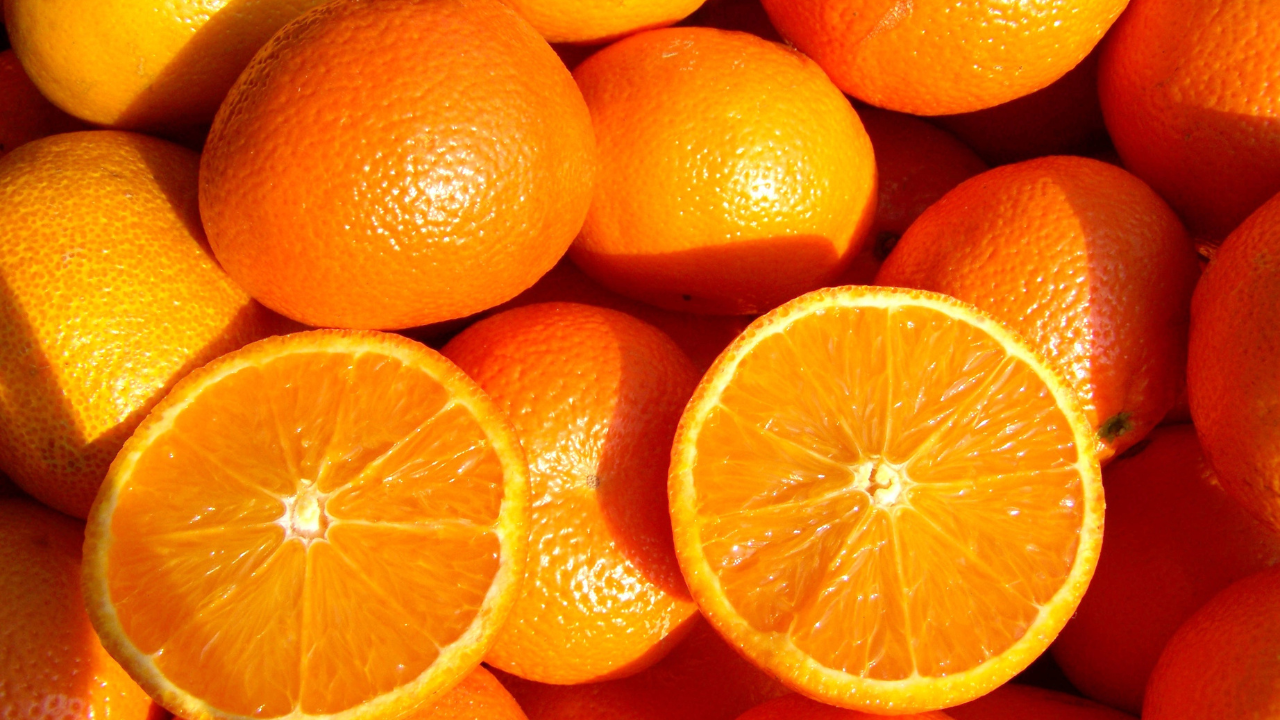
Why the humble half-time orange is back in the spotlight
The half-time orange has been part of Australian sport for generations. For many of us, it brings back memories of standing on the sideline with teammates, orange wedges in hand, and those unmistakable sticky fingers and orange grins. 🤗
Australian orange growers have recently been campaigning to bring the tradition back as an iconic part of junior sport, and it has raised a genuinely useful question for sports parents: is an orange wedge actually enough fuel for a young athlete, or do they need something more?
A recent YouGov survey of Australian parents whose children play sport found that 93 per cent believed the half-time orange tradition was dying out, while 77 per cent said they would love to see orange wedges make a comeback for their children. Most parents surveyed also remembered the tradition fondly from their own childhood.
And there is good reason oranges earned their place on the sideline. They provide carbohydrate for energy, have a high water content to help keep kids refreshed, and contain nutrients including vitamin C. They are affordable, easy to prepare and fun to share with teammates.
For children taking part in junior and community sport, half-time nutrition does not need to be complicated. Water and familiar choices such as orange wedges can support their nutrition both on and off the field.
So why do sports drinks, lollies and gels come into the picture?
After hearing that water and fruit can work so well at half-time, sports parents are often surprised to also see sports dietitians recommending sports drinks, lollies and other fast-acting carbohydrate choices for some teenage athletes.
The important distinction is that oranges and water are usually being discussed in the context of children taking part in junior and community sport.
That does not mean oranges only belong in junior sport, though. In elite settings such as the AFL, oranges have long been a staple in the change rooms at half-time, whether the game is being played at the MCG, Marvel Stadium or a ground in a regional town. The difference at that level is that oranges sit alongside other half-time fuelling and hydration choices. An orange wedge or two is not expected to meet the full carbohydrate demands of a hard game.
Both water and fruit, and more targeted performance fuelling choices, can be appropriate. It depends on the duration, intensity and purpose of the session, and what the athlete is asking their body to do.
So, when does an athlete need more?
There is no hard-and-fast age.
Everyday meals, snacks and familiar foods still form the foundation. As training sessions and games become longer, harder and more demanding, athletes may simply need to add some more targeted carbohydrate choices alongside them.
For a younger child playing a 45-minute Saturday morning soccer game, the focus is generally participation, fun, learning new skills and enjoying time with friends. In this setting, familiar meals and snacks across the day, water for hydration and some refreshing orange wedges, or another favourite fruit, will usually be all they need.
The needs of an athlete completing a long and demanding training session or competition can look quite different. When sessions become longer, harder and more intense, perhaps extending towards 90 minutes, two hours or beyond, an orange wedge or a few pieces of fruit will not provide enough carbohydrate to meet the sheer fuel requirements of the session.
In these situations, athletes may need additional carbohydrate choices that are rapidly digested and absorbed, such as sports drink, juice, lollies, gels or other sports foods. These choices can help them consume enough carbohydrate to support performance while also maintaining stomach comfort during exercise.
That does not mean oranges suddenly lose their place. They can still sit alongside these other fuelling choices for refreshment, enjoyment and nutrition.
And it is not simply about age. An eight-year-old gymnast completing a demanding three-hour training session may need to apply more of a performance lens to their fuelling. At the same time, an older teenager playing a short, social community game may need little more than their usual meals and snacks, water and perhaps some refreshing fruit at the break, if at all.
So, rather than asking:
"At what age should my child start using sports nutrition?"
A more helpful question is:
"What are they asking their body to do today?"
Where Fuel School comes in
Inside Fuel School, we help parents and teenage athletes understand what their bodies need across everyday life, training and competition. It is about knowing when simple, familiar food is enough, when the demands of sport mean more fuel is needed, and how to make those choices work within busy family life.
If you would love more practical guidance and support with fuelling before, during and after training, you can explore Fuel School here.
If your junior sporting club would love to bring back the half-time orange, Australian orange growers are giving away free oranges to teams for the rest of the 2026 winter season. You can register your club at oranges.com.au.